01
Challenge
The client needed a focused product for field-service businesses. The first release needed appointment scheduling, job dispatch, and customer updates, while managing changing schedules and intermittent connectivity.
Web logistics & field ops product delivered by Coralsoft
Coralsoft designed, built and shipped this product for the client.
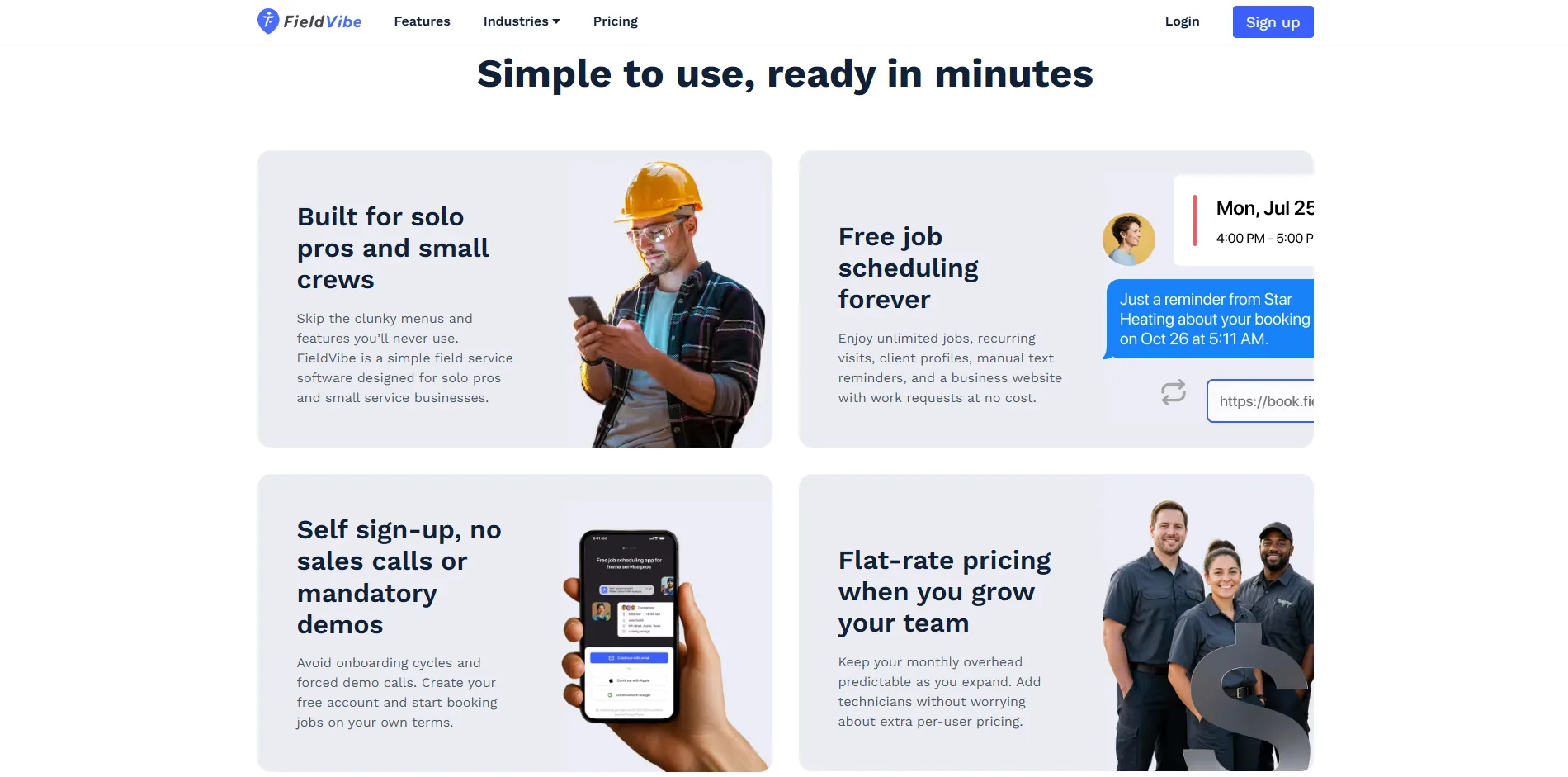
The client needed a focused product for field-service businesses. The first release needed appointment scheduling, job dispatch, and customer updates, while managing changing schedules and intermittent connectivity. Coralsoft designed and delivered the 16-week MVP from discovery through release.
The client needed a focused product for field-service businesses. The first release needed appointment scheduling, job dispatch, and customer updates, while managing changing schedules and intermittent connectivity.
Coralsoft owned product shaping, engineering, QA, and release across a 16-week engagement.
Turn the core customer journey into a dependable first release without overbuilding the product.
The client needed a focused product for field-service businesses. The first release needed appointment scheduling, job dispatch, and customer updates, while managing changing schedules and intermittent connectivity.
We mapped the core journey and data model first, then delivered appointment scheduling as a working vertical slice. The next iteration added job dispatch and customer updates, with authentication, validation, loading and failure states designed into each flow. A web-first TypeScript build using React Native, Expo, TypeScript, Node.js kept the interface and service contracts consistent; the final weeks focused on QA, accessibility, and release preparation.
The delivered 16-week MVP let field-service businesses complete the core journey without relying on disconnected tools. It provided a small, maintainable foundation for testing demand and prioritising the next release.
Coralsoft turned the product brief into a maintainable 16-week MVP.
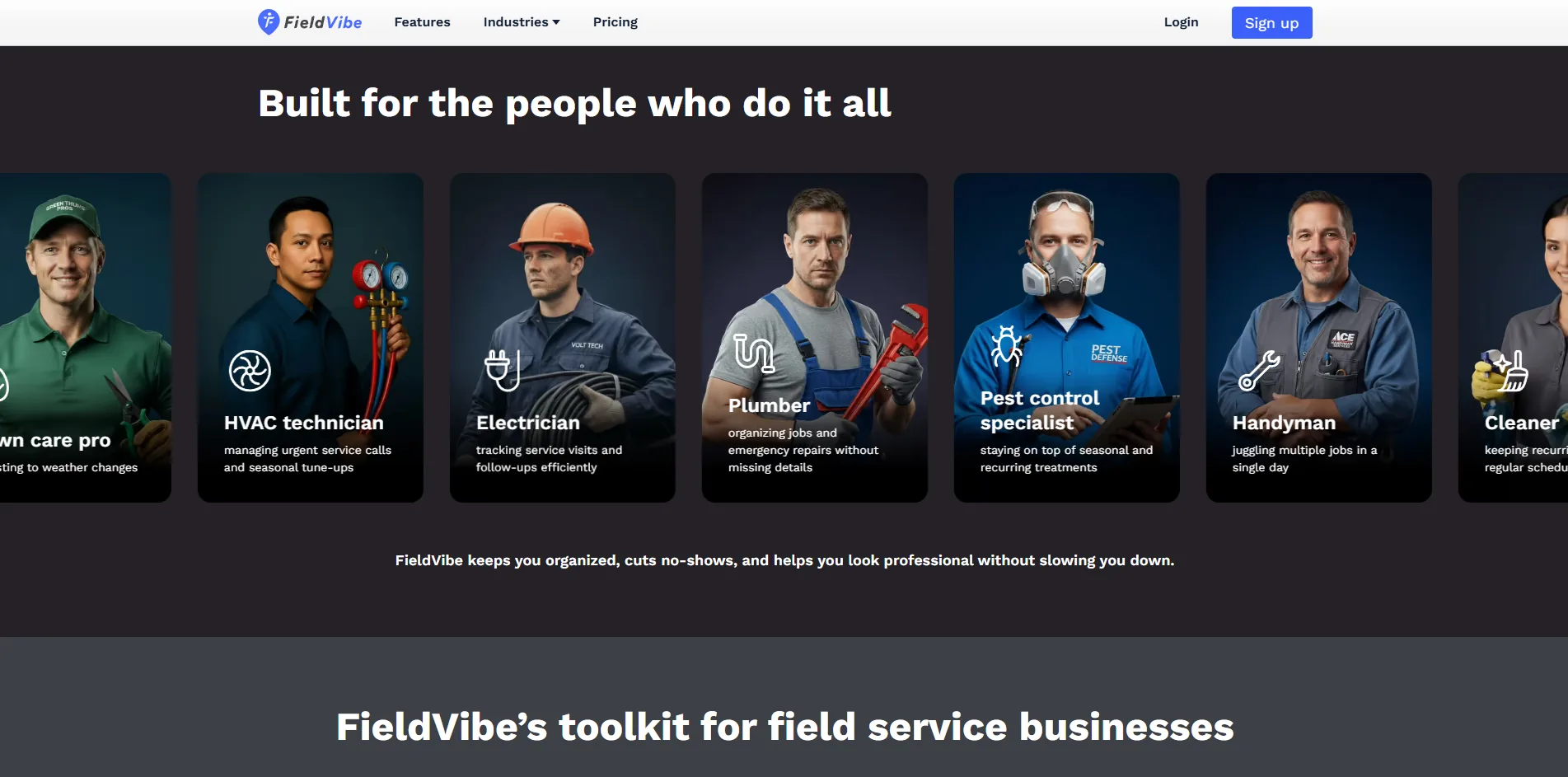
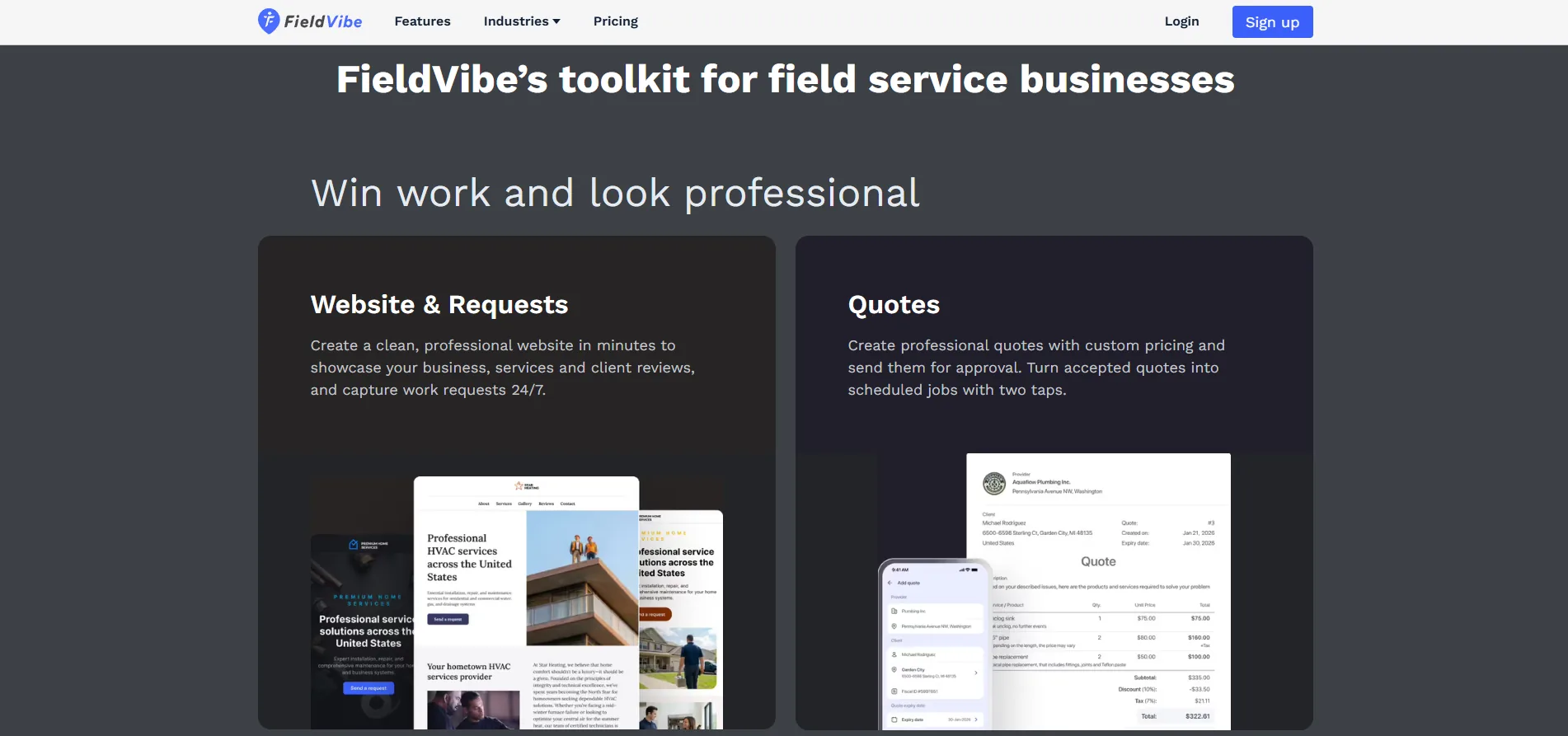
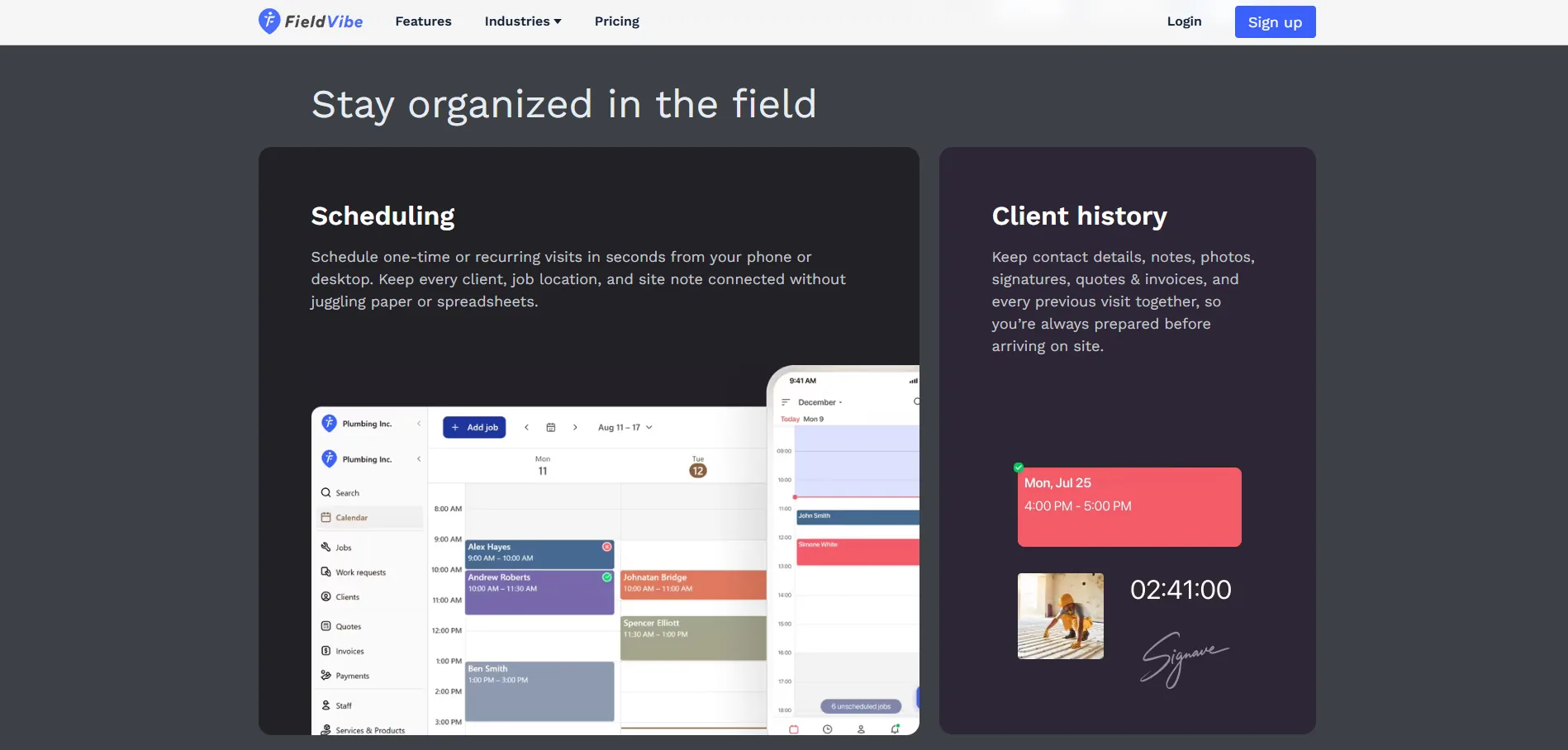
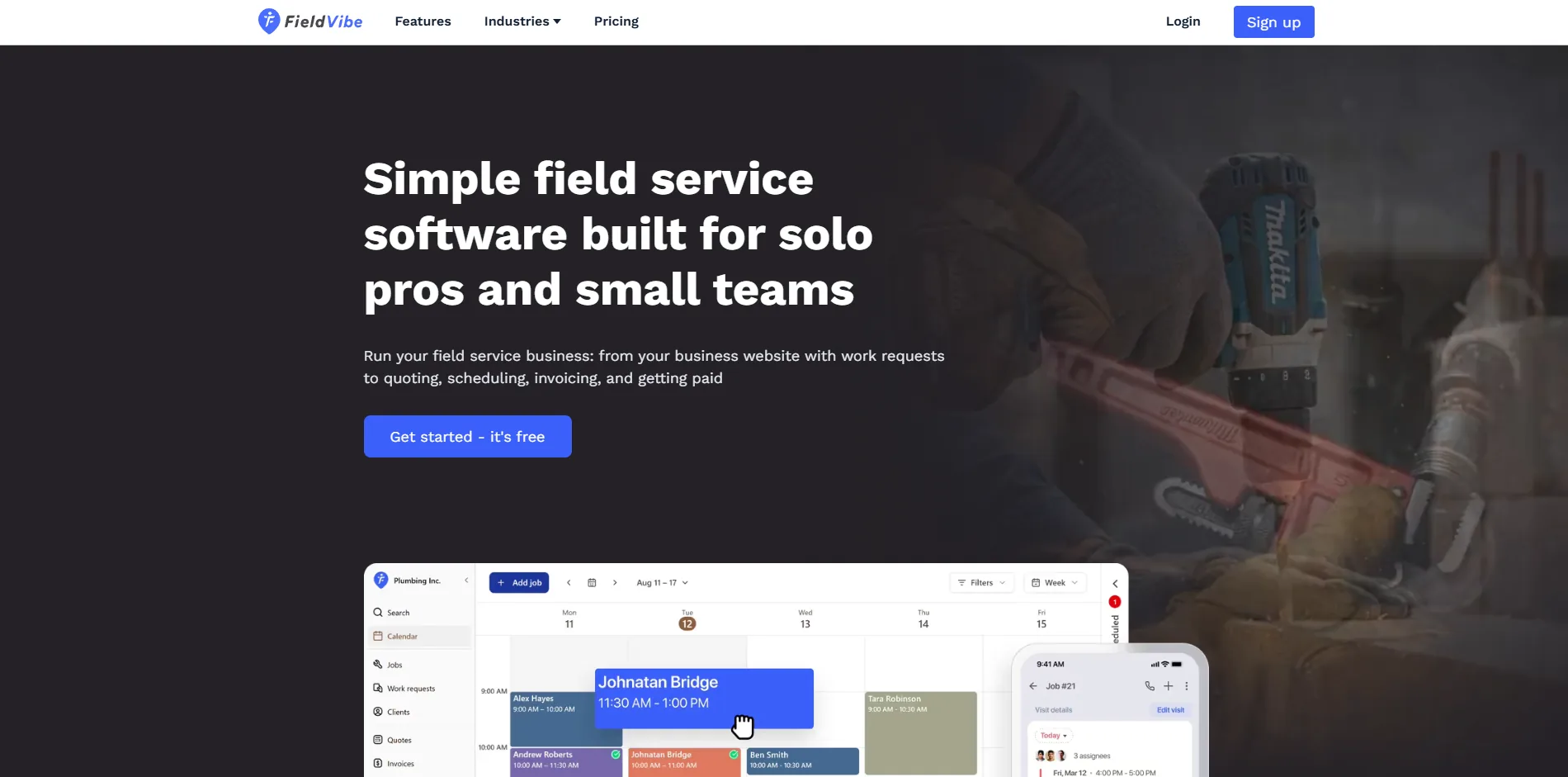
Coralsoft scoped appointment scheduling and define the data model.
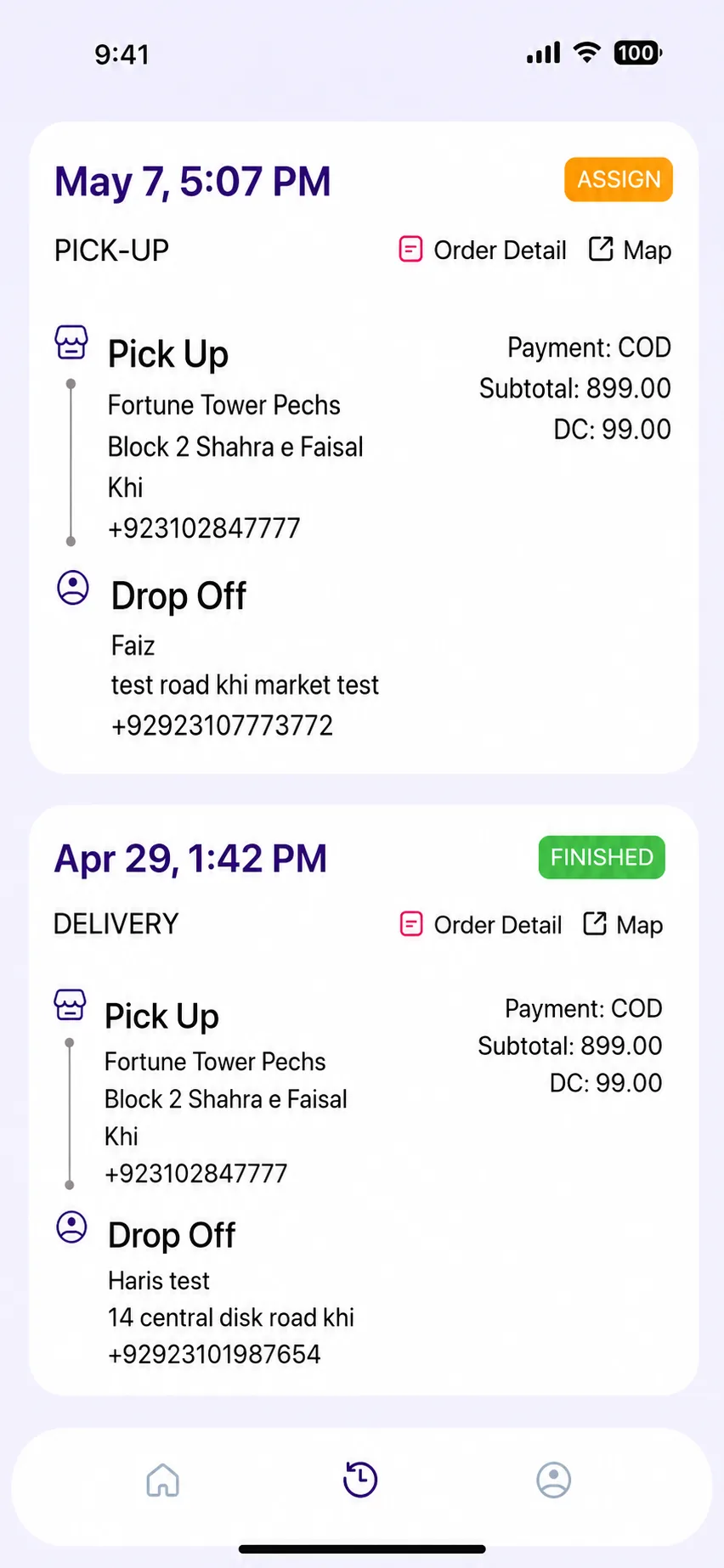
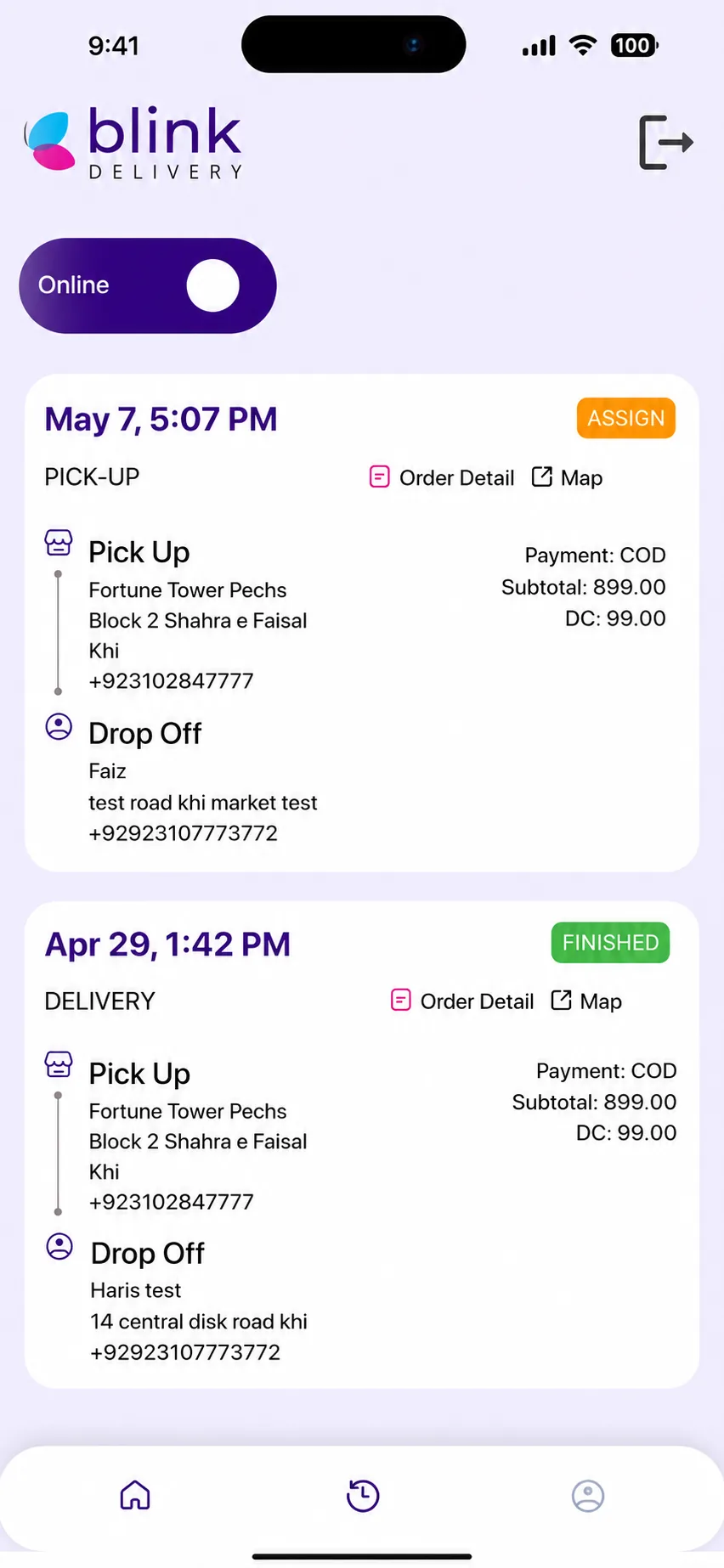
The team built appointment scheduling, job dispatch, and customer updates.
Coralsoft completed integration checks, QA, and release handoff.
Every case study covers a product Coralsoft designed, built, and shipped for a client.