AI & Agents · Est. $12k – $15k
Tiledesk

Open-Source Agentic AI for Support

Coralsoft designed, built and shipped this product for the client.

WebNext.js (App Router)ReactTypeScript
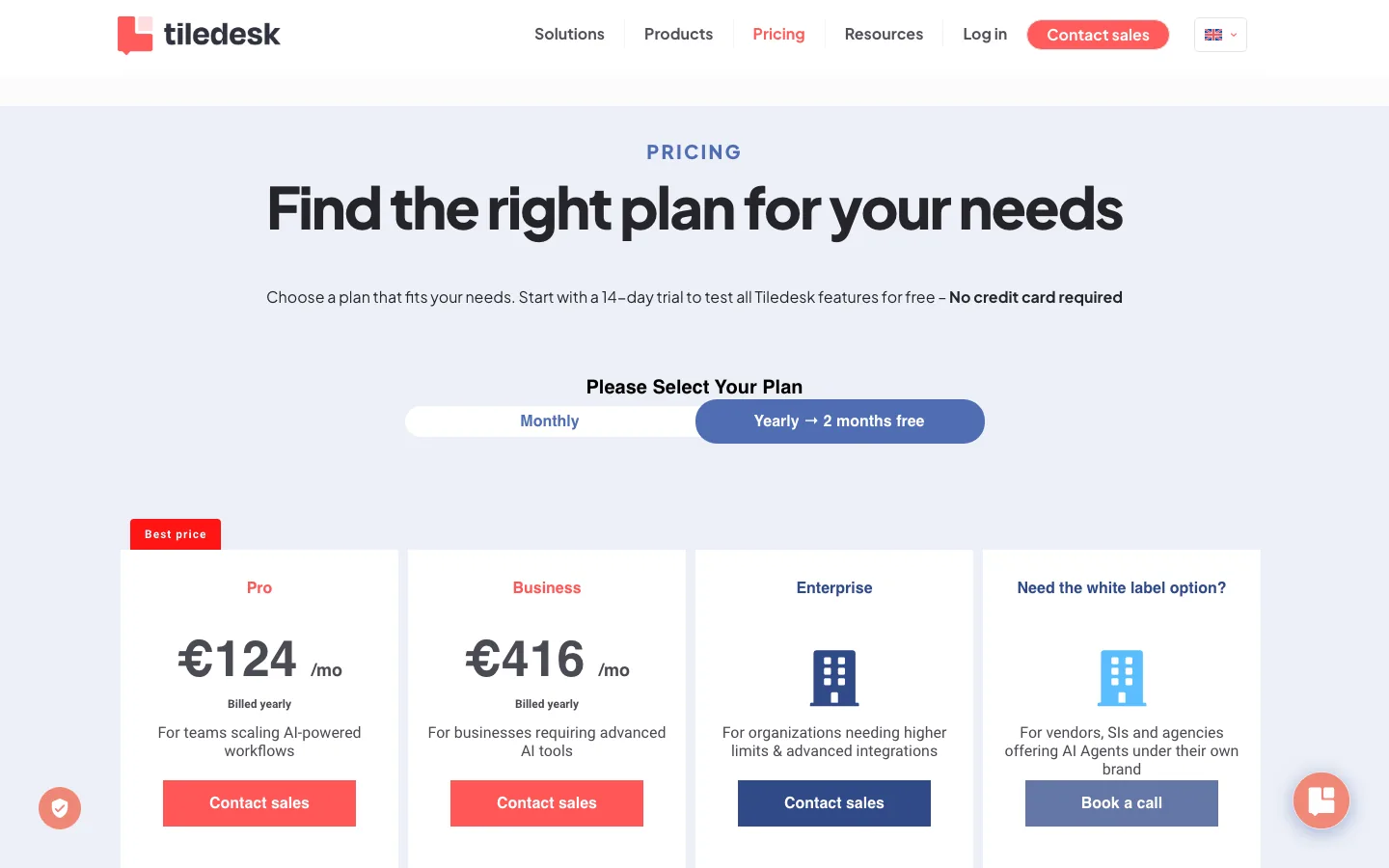
tiledesk.example / dashboard
Tiledesk — product interface
The situation

What was in place before we started.

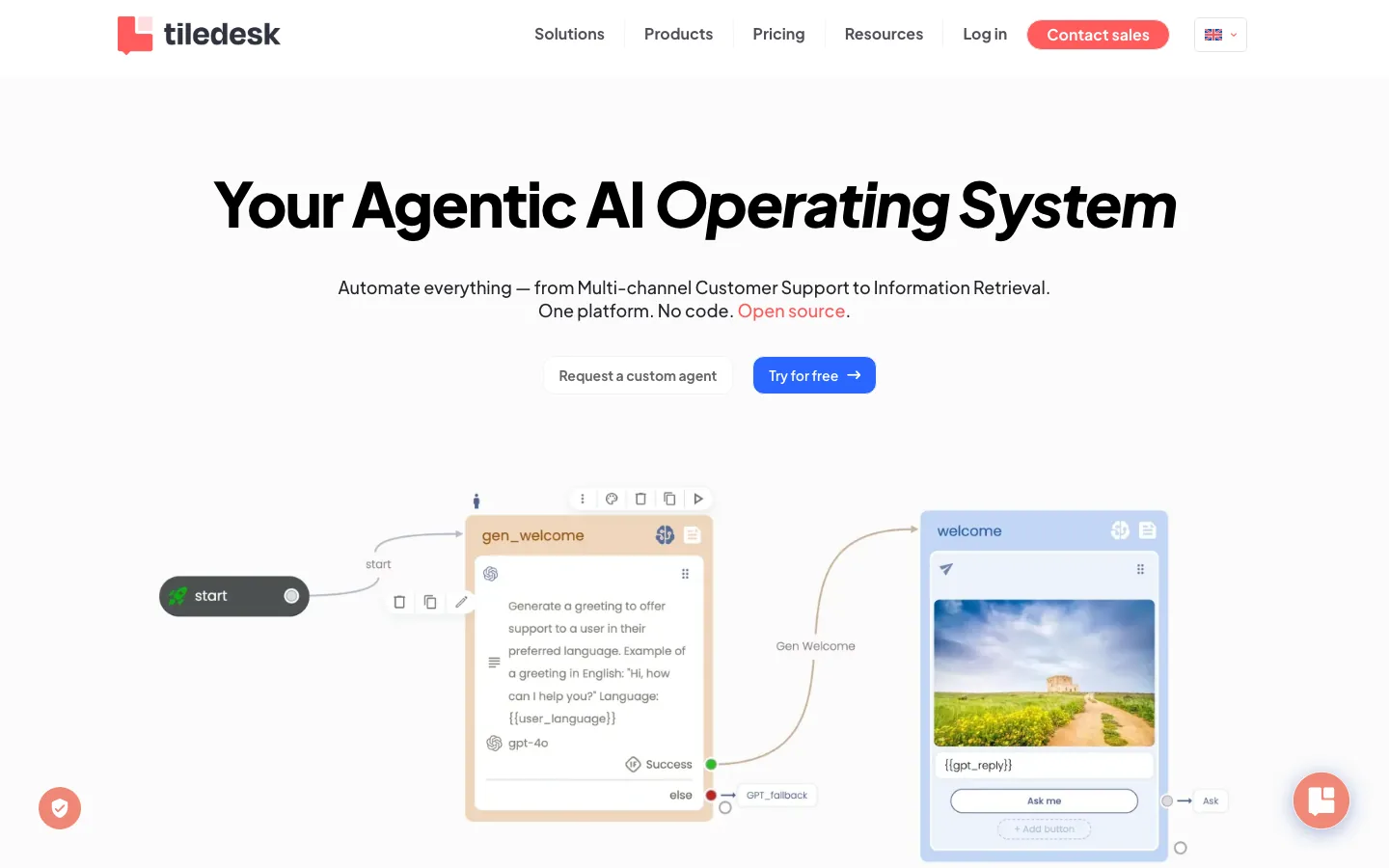
Tiledesk is an open-source platform for building agentic AI chatbots with seamless human handover — deployed across web, WhatsApp, Instagram, Telegram, Messenger and voice from a single no-code studio.

Tiledesk is an open-source platform for building agentic AI chatbots with seamless human handover — deployed across web, WhatsApp, Instagram, Telegram, Messenger and voice from a single no-code studio.

Estimated Engagement
3 months
Team
6 people
Estimated Budget
$12k – $15k
Year
2026
Category
Agentic AI · Customer support · Automation
Deployment
Cloud or self-hosted (open source)
Channels
Web · WhatsApp · Instagram · Telegram · Voice
Model
No-code flow builder + LLM agents + human handoff
Estimated stack
Next.js (App Router)ReactTypeScriptTailwind CSSTanStack QueryReact Hook Form + ZodVercel AI SDKpgvectorSupabase RealtimeCloudflare R2ffmpeg pipelinen8n (self-hosted)
Delivery story

Building Tiledesk: AI workflows users can understand and trust

01

Challenge

Tiledesk is an open-source platform for building agentic AI chatbots with seamless human handover — deployed across web, WhatsApp, Instagram, Telegram, Messenger and voice from a single no-code studio. The main delivery challenge was to give users powerful automation with clear feedback, predictable states, and guardrails around model behaviour, while keeping Design, Train, and Connect consistent across the complete journey. We framed the engagement around the smallest production-worthy flow first, then expanded the scope without weakening the underlying component and data model.

02

How we built it

We began by mapping the user journey and the boundaries of the AI: what context it receives, what it may return, and where deterministic application logic must stay in control. We then built Design, Train, and Connect as small end-to-end slices, connecting the interface to the data and model layers early so the team could test real responses instead of static mock-ups. Streaming and real-time states were treated as first-class UI states, including loading, partial output, retries, and recovery. The main implementation used Next.js (App Router), React, TypeScript, and Tailwind CSS, with typed contracts keeping the JavaScript stack consistent across the product.

03

Delivery

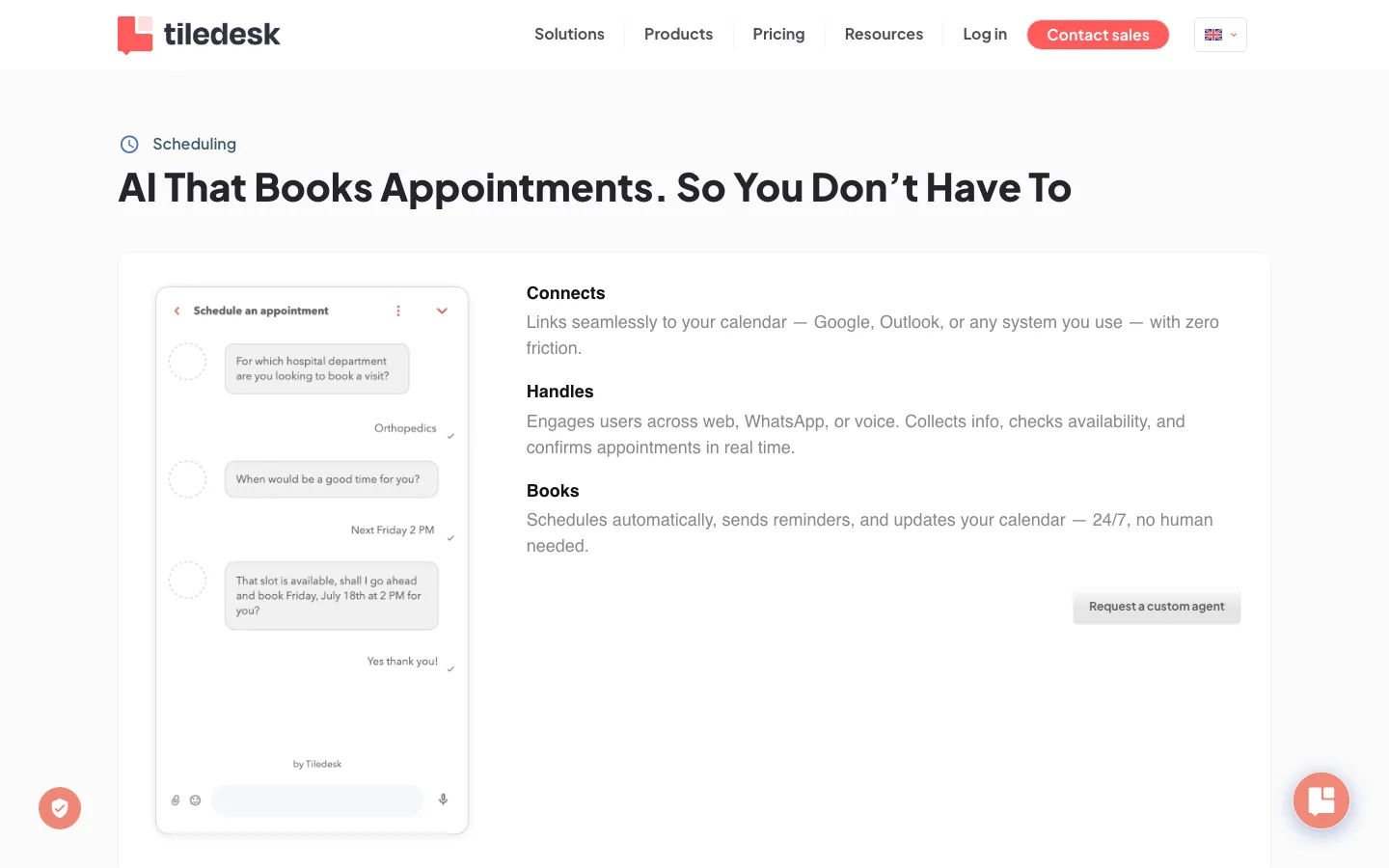
The delivered scope brought Design, Train, Connect, and Deploy into one coherent production-ready product experience. Model output, product logic, and user feedback are separated clearly, which makes the AI easier to evaluate and evolve. For Tiledesk, the practical result is a product that communicates its value quickly while giving the team a maintainable base for continued delivery in ai & agents.
Challenges

Each constraint, and what we did about it.

Constraint

Per-seat pricing that punishes growth

What we did

Predictable, seat-light economics

Constraint

Black-box automation you can’t inspect

What we did

Inspectable, editable AI flows

Constraint

Data locked inside a vendor cloud

What we did

Self-hostable — own your data

Constraint

Rigid bots that frustrate customers

What we did

Agents that resolve, not deflect

Constraint

Channels stitched together manually

What we did

One studio for every channel

Constraint

Slow, awkward escalation to humans

What we did

Instant, context-rich human handover

The winning support stack is open, agentic, and human-aware — automation that earns trust instead of hiding behind it.

Results

Measured outcomes.

3-month engagement
70%
Repetitive conversations auto-resolved.
−45%
First-response time across channels.
5+
Channels served from one studio.
−30%
Support cost per conversation.
24/7
Always-on AI coverage
↑
Higher CSAT after handover
Self-host
Full data ownership
2.5×
Faster bot iteration

By pairing agentic automation with instant human handover, Tiledesk resolves the routine and elevates the rest — on an open, self-hostable core.

Showcase

How the system fits together.

4 of 8 views
tiledesk.example
Tiledesk — product interface
tiledesk.example
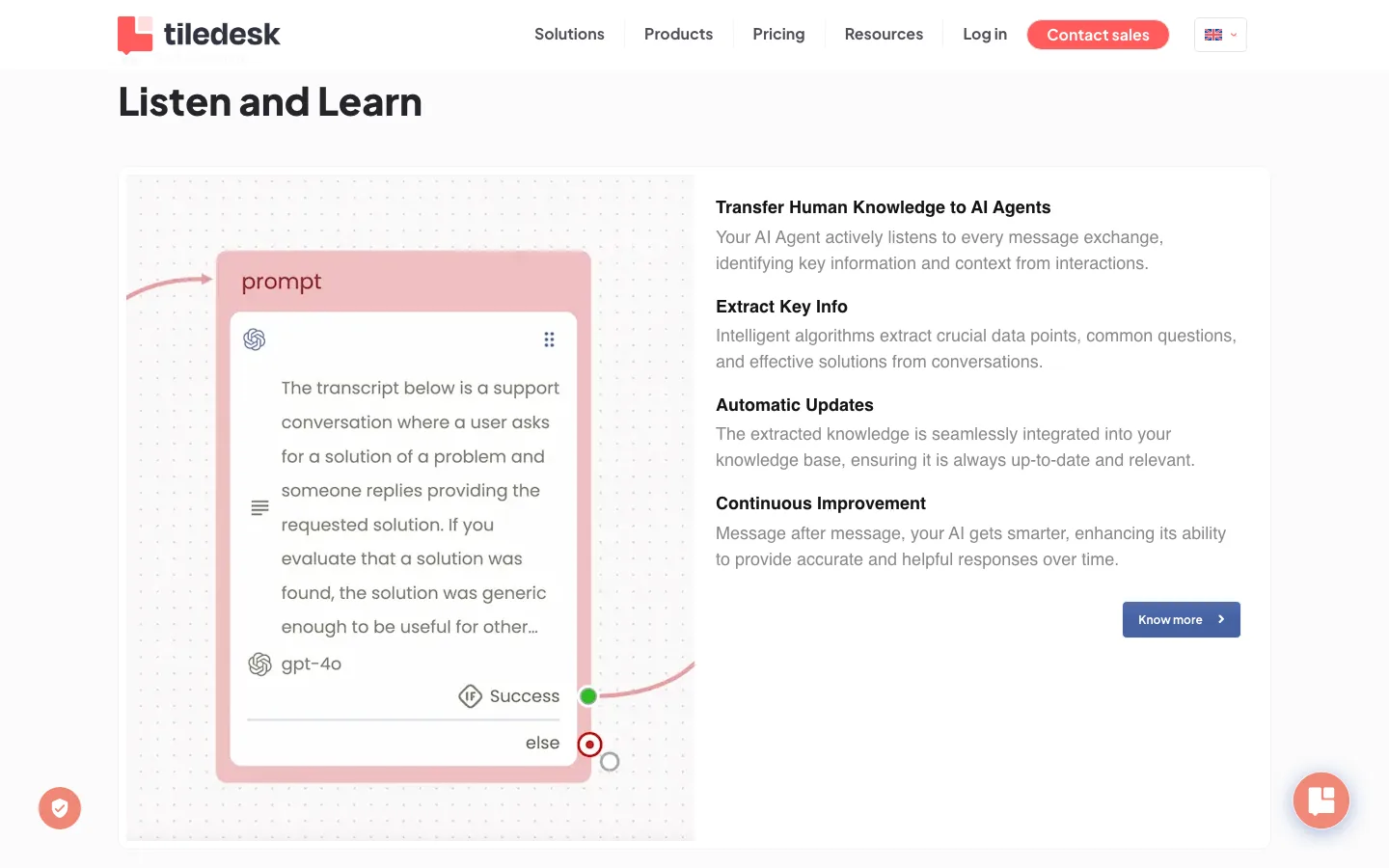
Tiledesk — product screenshot
tiledesk.example
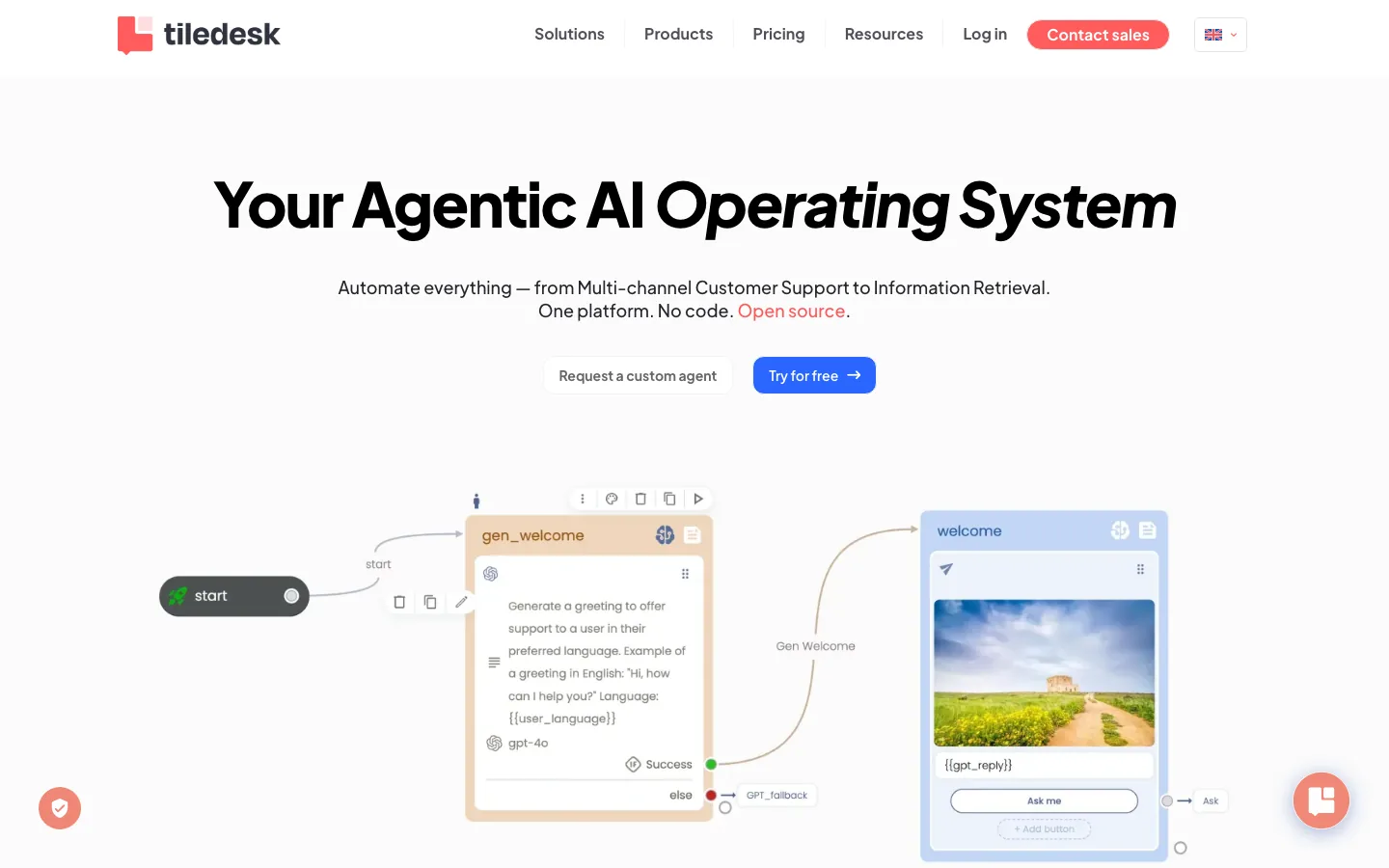
Tiledesk — product screenshot
tiledesk.example
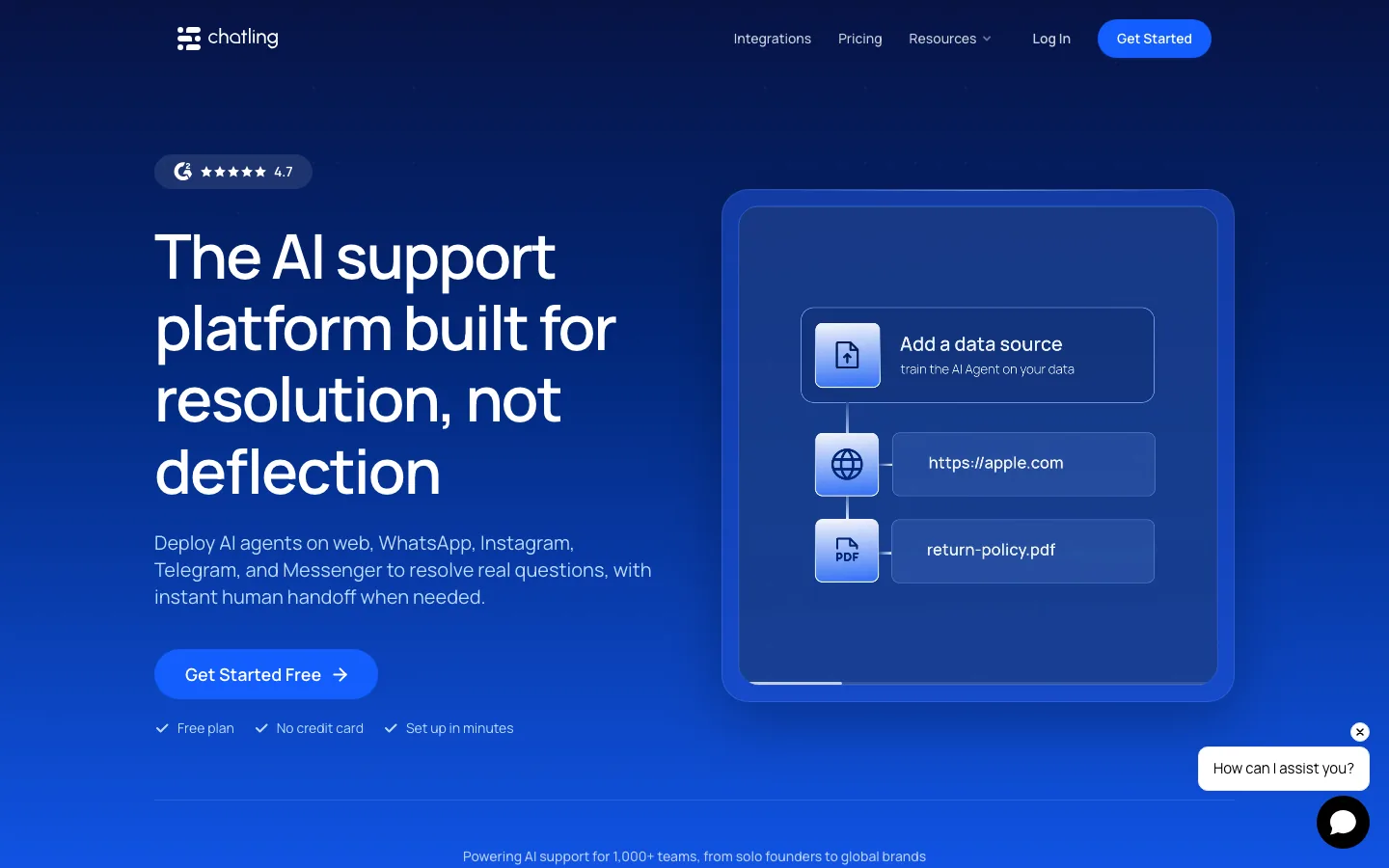
Tiledesk — product screenshot
Roadmap

Estimated delivery sequence.

3 months
Weeks 1–3

Discovery & shaping

MVP: no-code studio, web widget, knowledge-base ingestion, core handoff.

  • Knowledge
Weeks 4–10

Core build

WhatsApp, Messenger & Telegram connectors, agent desk, routing.

  • Agent Builder
Weeks 11–13

Launch & iterate

Voice, self-host packaging, analytics, and multilingual scaling.

  • Omnichannel
  • Human Handover

More work like this.

Every case study covers a product Coralsoft designed, built, and shipped for a client.