SaaS & Infrastructure · Est. $8k – $10k
TIMIFY

Intelligent Scheduling Infrastructure

Coralsoft designed, built and shipped this product for the client.

WebNext.js (App Router)ReactTypeScript
timify.example / dashboard
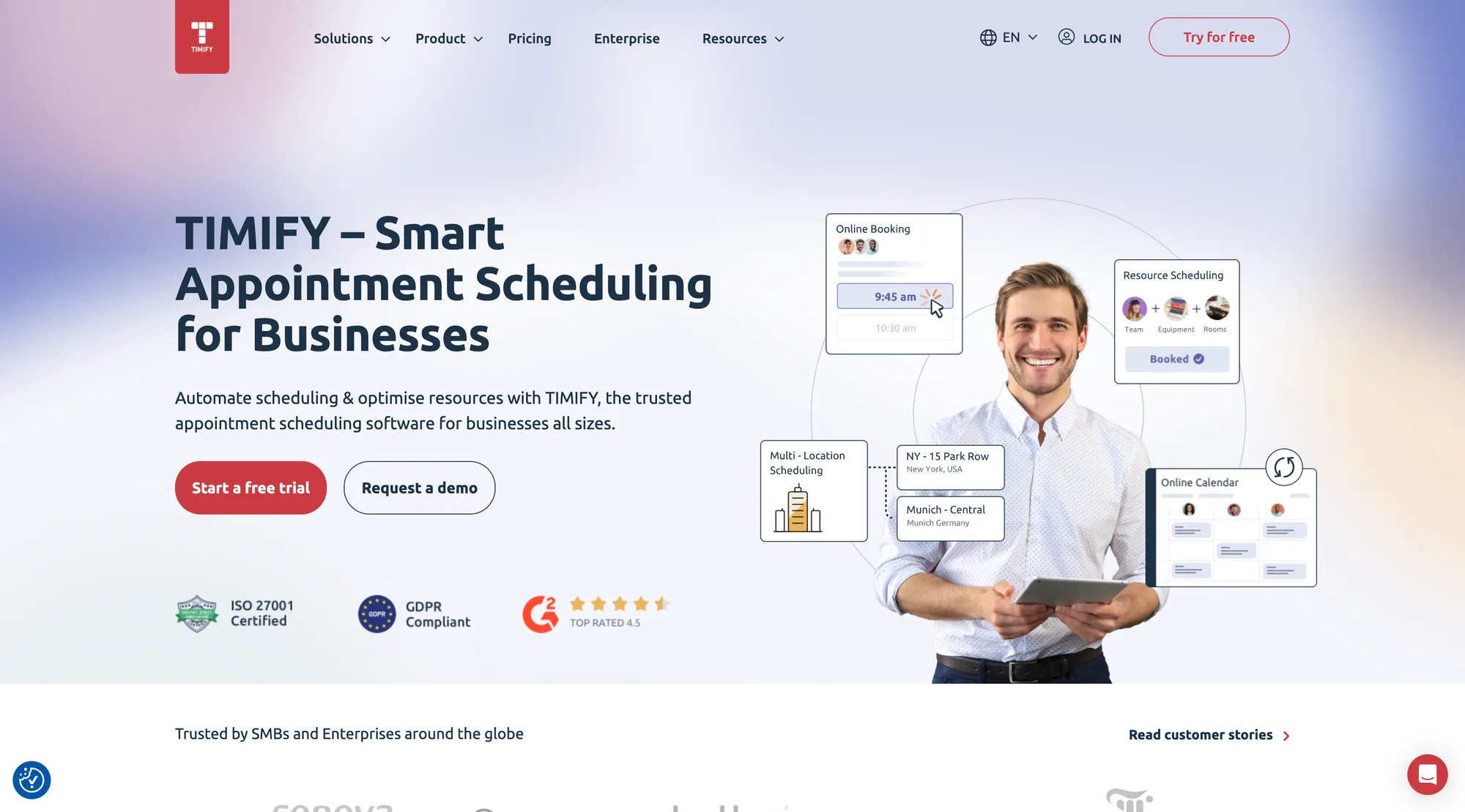
TIMIFY — product interface
The situation

What was in place before we started.

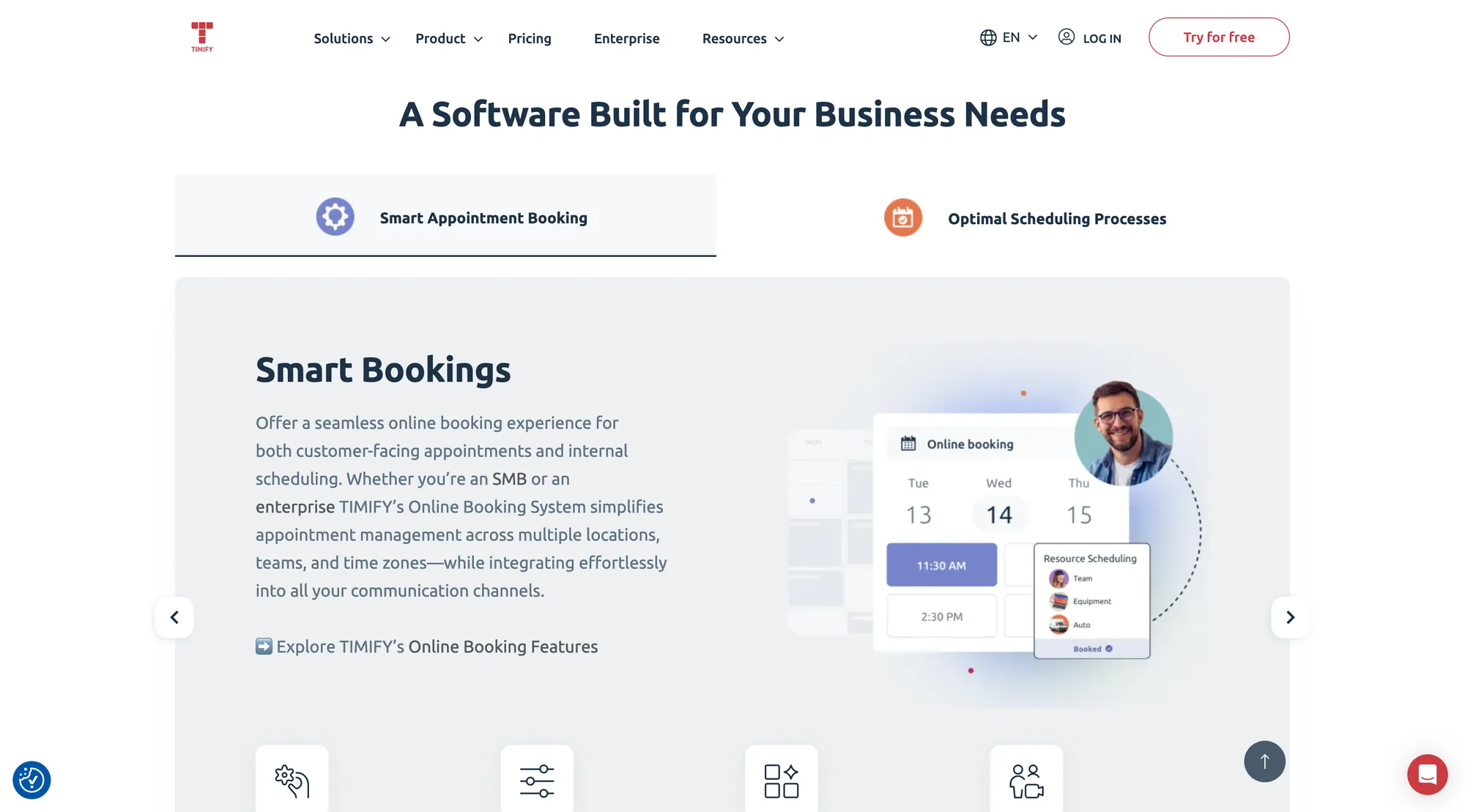
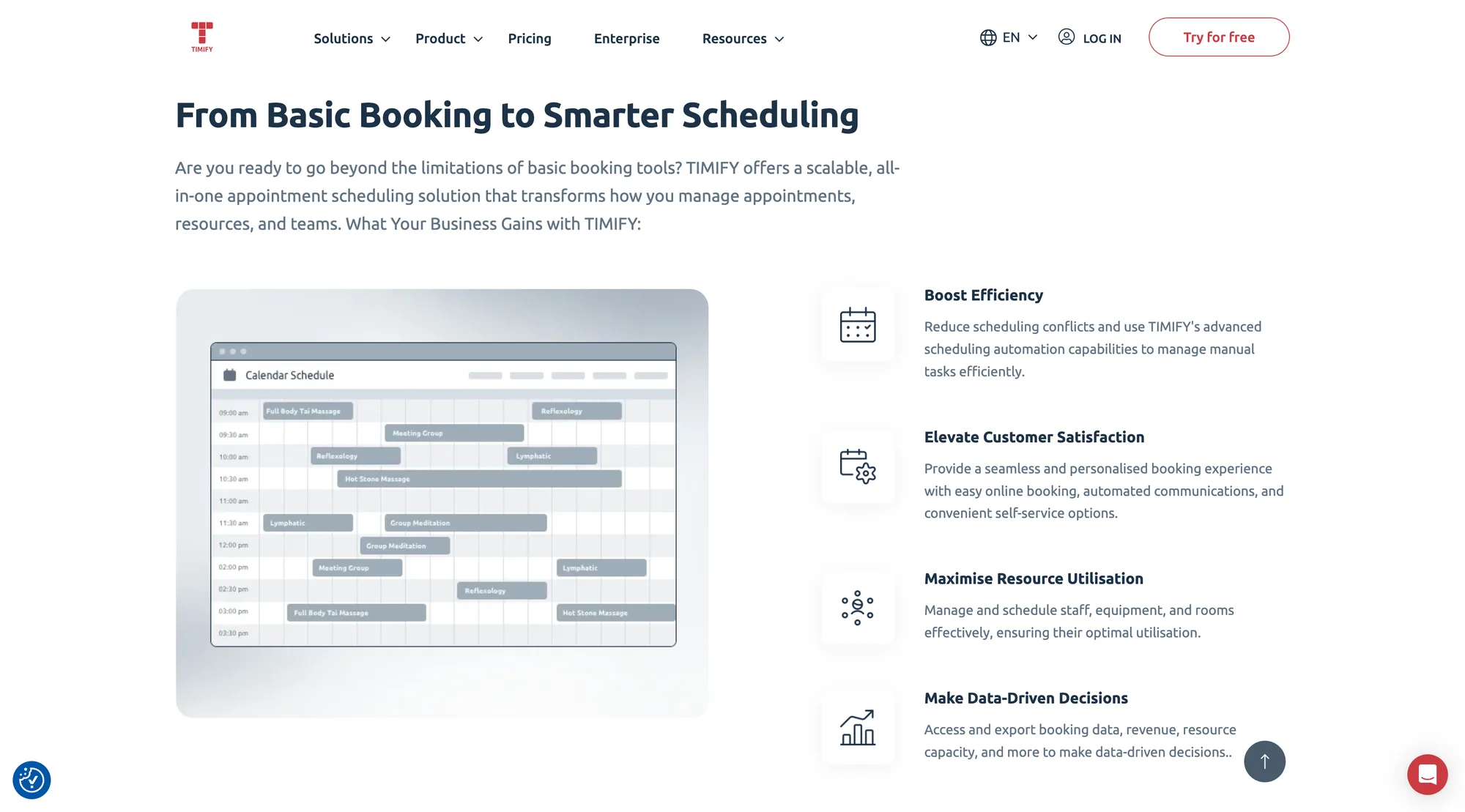
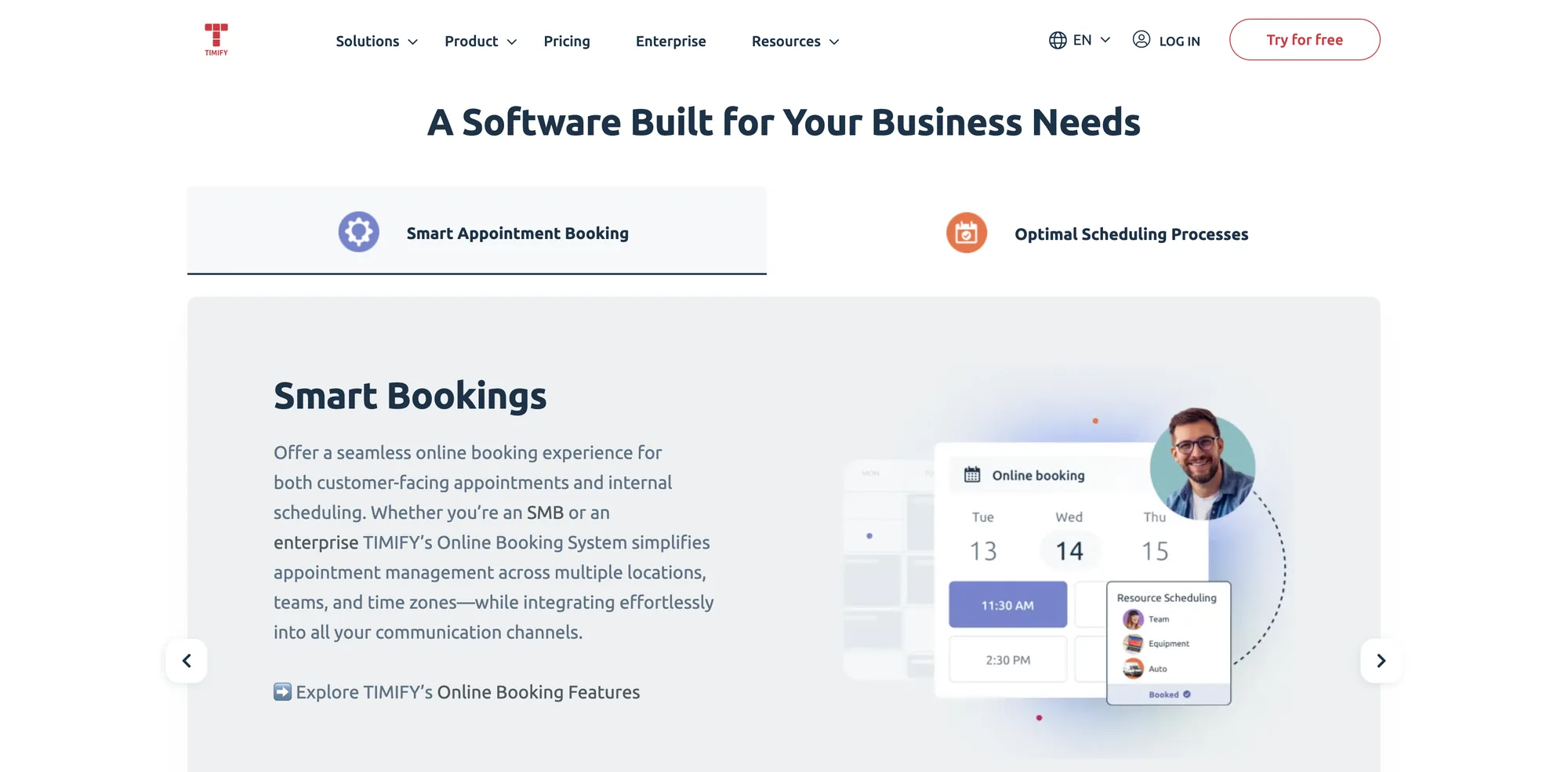
TIMIFY is an enterprise appointment scheduling platform — helping SMBs and global enterprises manage appointments, staff, equipment, and rooms in one system.

TIMIFY is an enterprise appointment scheduling platform — helping SMBs and global enterprises manage appointments, staff, equipment, and rooms in one system.

Estimated Engagement
2 months
Team
7 people
Estimated Budget
$8k – $10k
Segments
SMB · Mid-market · Enterprise
Scale
45,000+ companies · 135,000+ users
Footprint
30 countries · 12+ languages
Platform
Multi-location scheduling & resources
Estimated stack
Next.js (App Router)ReactTypeScriptTailwind CSSTanStack QueryReact Hook Form + ZodNode.js + HonoDrizzle ORM + PostgreSQLRedisGitHub ActionsVercelGoogle Maps Platform
Delivery story

TIMIFY: a product foundation built for reliable delivery

01

Challenge

TIMIFY is an enterprise appointment scheduling platform — helping SMBs and global enterprises manage appointments, staff, equipment, and rooms in one system. The main delivery challenge was to give users a maintainable interface and architecture that could absorb new requirements without slowing delivery, while keeping Book, Schedule, and Allocate consistent across the complete journey. We framed the engagement around the smallest production-worthy flow first, then expanded the scope without weakening the underlying component and data model.

02

How we built it

We first separated the core product rules from external services, then defined typed boundaries for every integration. The team delivered Book, Schedule, and Allocate as end-to-end flows, adding retries, idempotent operations, validation, and observable failure states before polishing the interface. This kept third-party behaviour from leaking into the product experience and made later integrations easier to add. The implementation was anchored by Next.js (App Router), React, TypeScript, and Tailwind CSS, with shared TypeScript contracts across the frontend and service layer.

03

Delivery

The delivered scope brought Book, Schedule, Allocate, and Automate into one coherent production-ready product experience. The reusable component and data patterns leave a clear route for the next product iteration. For TIMIFY, the practical result is a product that communicates its value quickly while giving the team a maintainable base for continued delivery in saas & infrastructure.
Challenges

Each constraint, and what we did about it.

Constraint

Scheduling conflicts & double-bookings

What we did

Unified scheduling platform

Constraint

Manual appointment management

What we did

Real-time resource visibility

Constraint

Resource allocation inefficiencies

What we did

Automated booking workflows

Constraint

Disconnected calendars across teams

What we did

Calendar synchronization

Constraint

Multi-location complexity

What we did

Enterprise-grade scalability

Constraint

Limited operational visibility

What we did

Customer self-service & analytics

Modern operations need speed, automation, and scalable infrastructure to serve both customers and internal teams.

Results

Measured outcomes.

2-month engagement
+34%
Booking completion rate.
+41%
Resource utilization efficiency.
−52%
Scheduling conflicts reduced.
+28%
Customer self-service adoption.
45k+
Companies supported at scale
5.5M+
Monthly bookings optimized
31%
Faster scheduling operations
22%
Lower administrative workload

By modernizing scheduling infrastructure and automating resource workflows, TIMIFY improved operational efficiency and customer experience across its platform ecosystem.

Showcase

How the system fits together.

4 of 9 views
timify.example
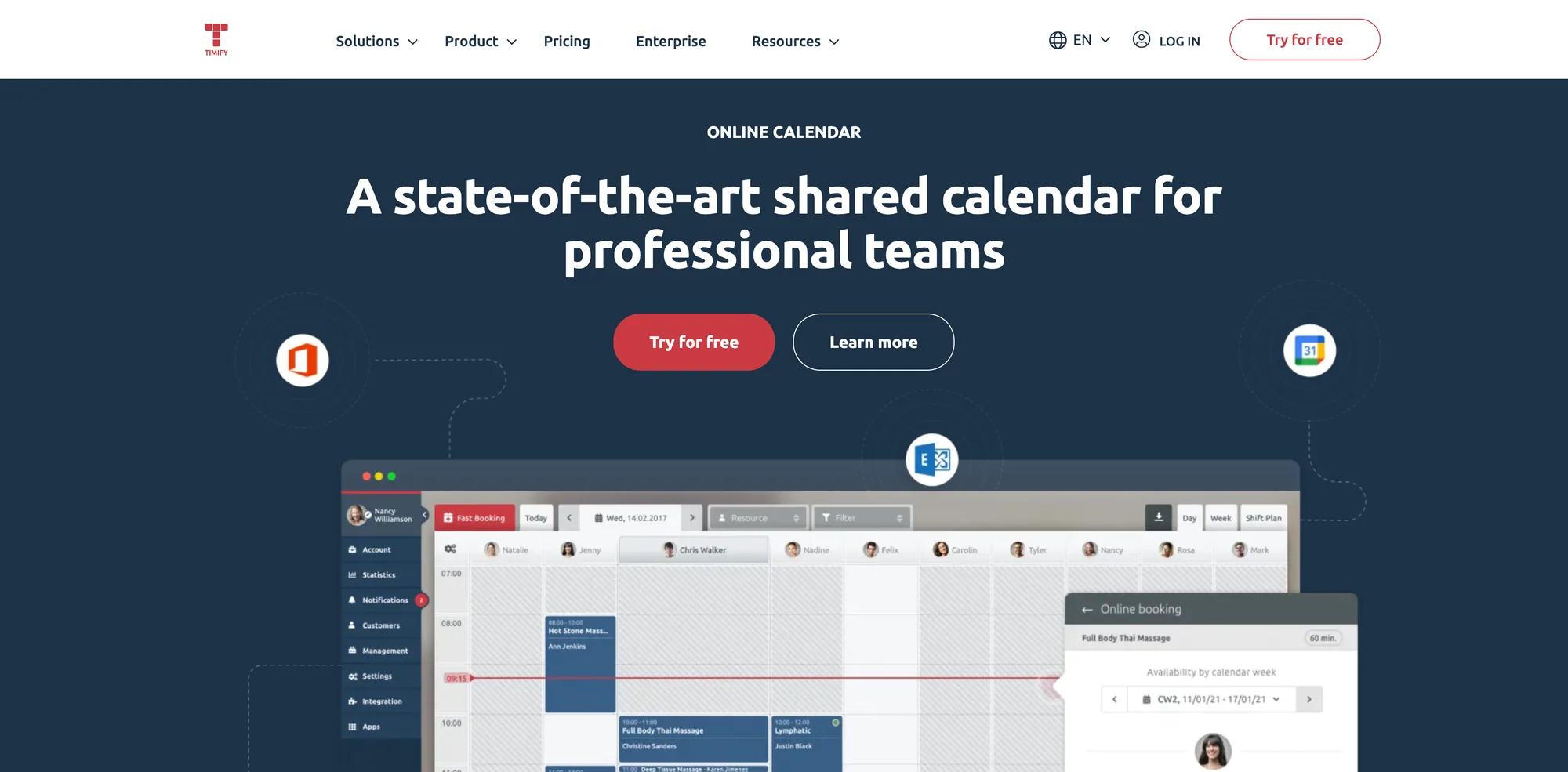
TIMIFY — product interface
timify.example
TIMIFY — product screenshot
timify.example
TIMIFY — product screenshot
timify.example
TIMIFY — product screenshot
Roadmap

Estimated delivery sequence.

2 months
Weeks 1–2

Discovery & shaping

Discovery, workflow mapping, technical audit, architecture.

Weeks 3–7

Core build

MVP: booking flows, calendar infrastructure, resources, analytics.

  • Smart Booking System
  • Scheduling Infrastructure
  • Resource Management
Weeks 8–9

Launch & iterate

Enterprise rollout, AI assistant, integrations, hardening, compliance.

  • Operational Intelligence

More work like this.

Every case study covers a product Coralsoft designed, built, and shipped for a client.