01
Challenge
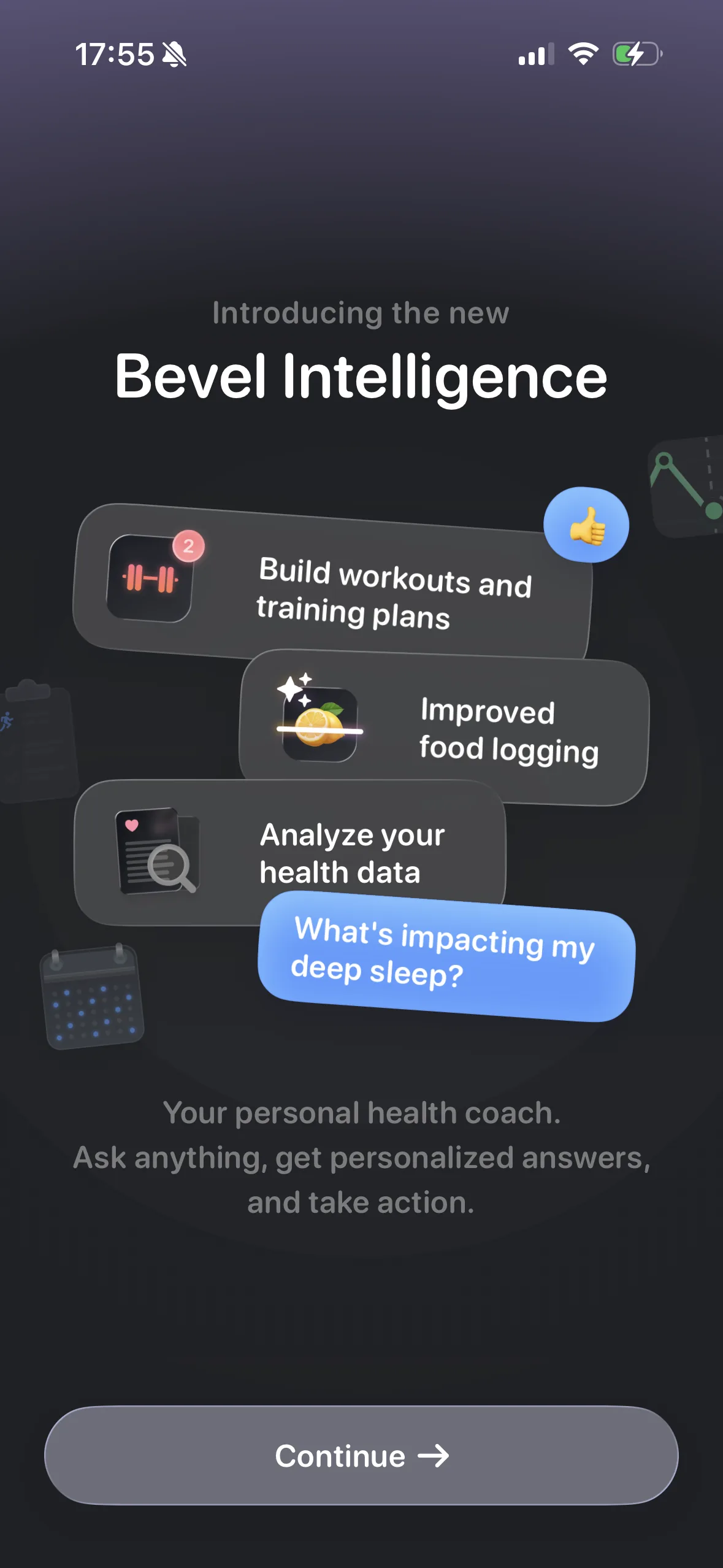
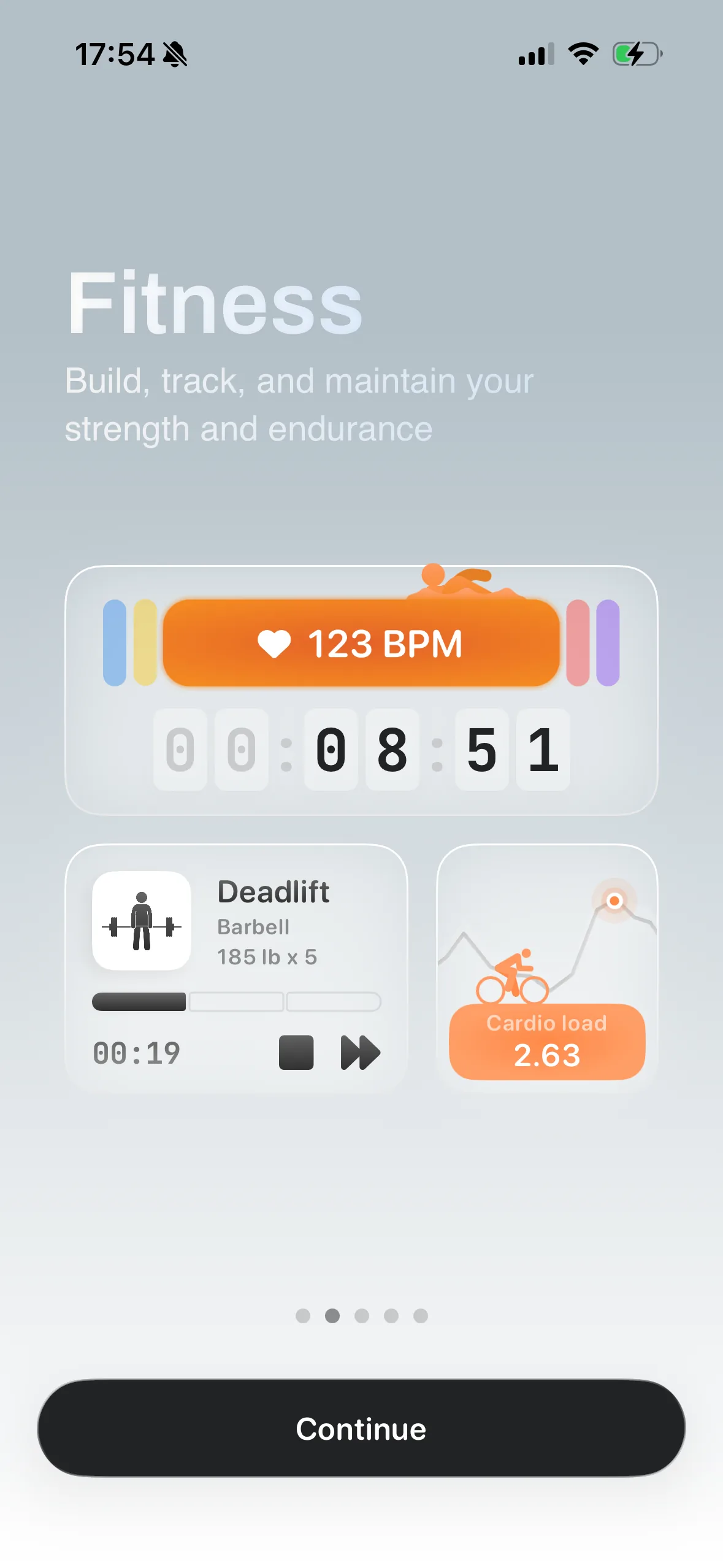
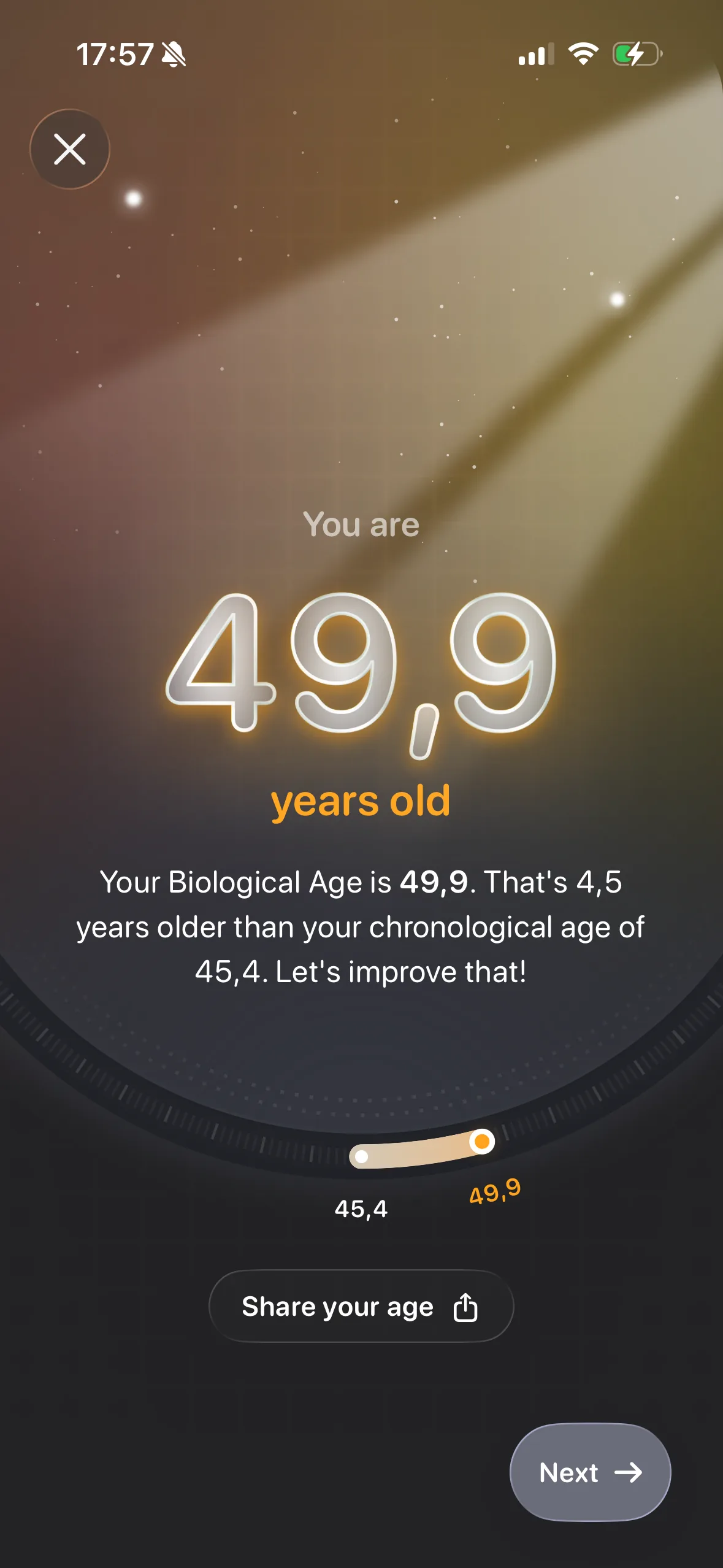
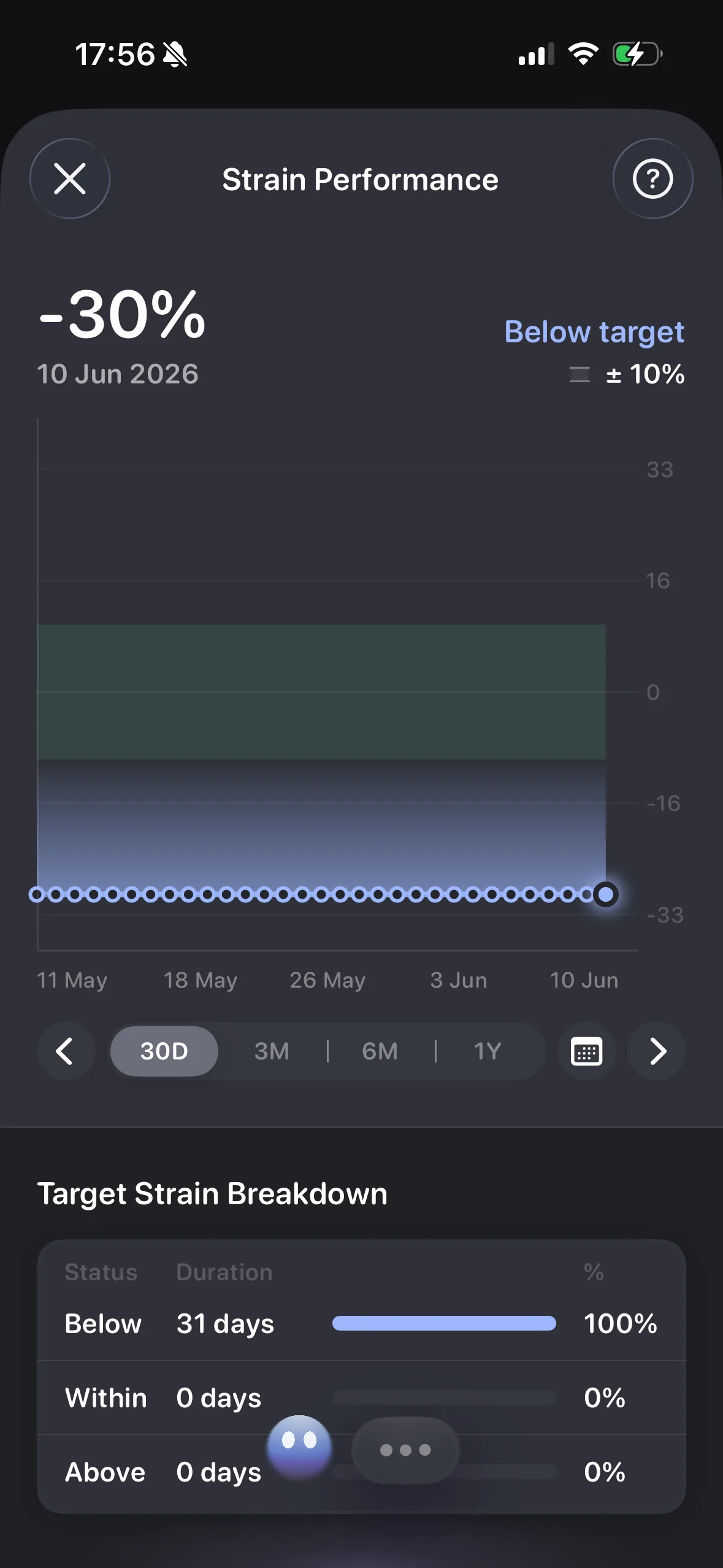
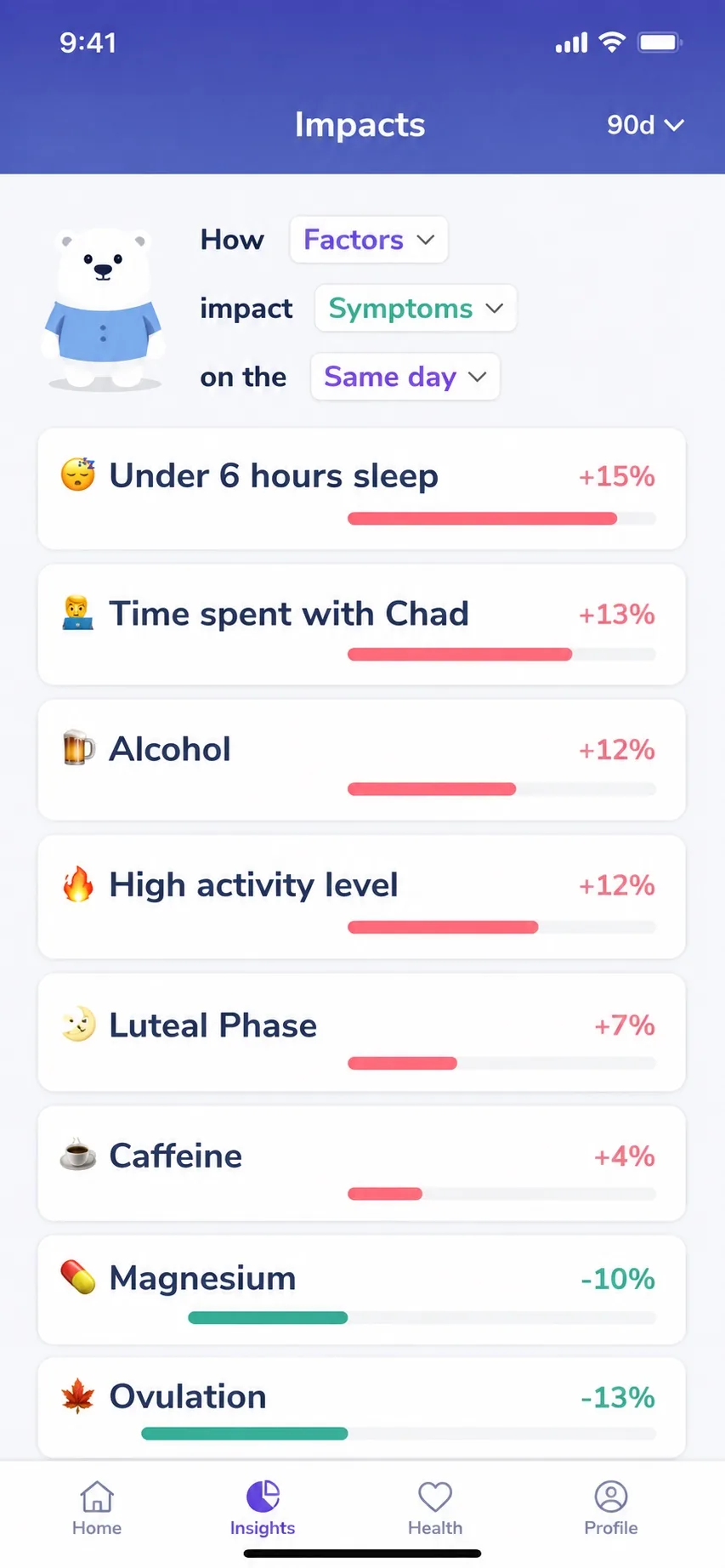
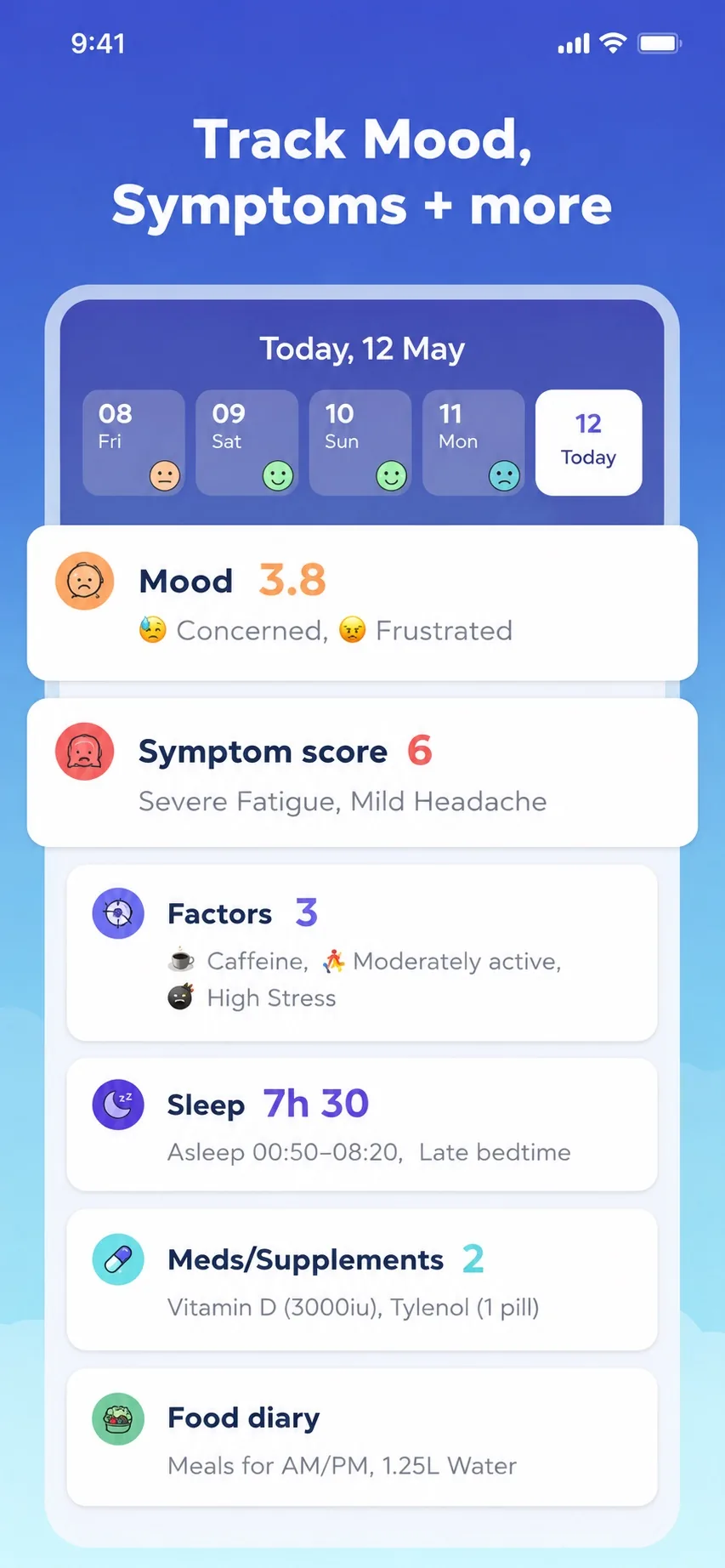
Bevel turns Apple Watch and connected health data into a software-first recovery, training, and coaching experience — a true alternative to proprietary hardware platforms. The main delivery challenge was to give users sensitive health information presented calmly, clearly, and without adding cognitive load, while keeping Measure, Recover, and Train consistent across the complete journey. We framed the engagement around the smallest production-worthy flow first, then expanded the scope without weakening the underlying component and data model.
02
How we built it
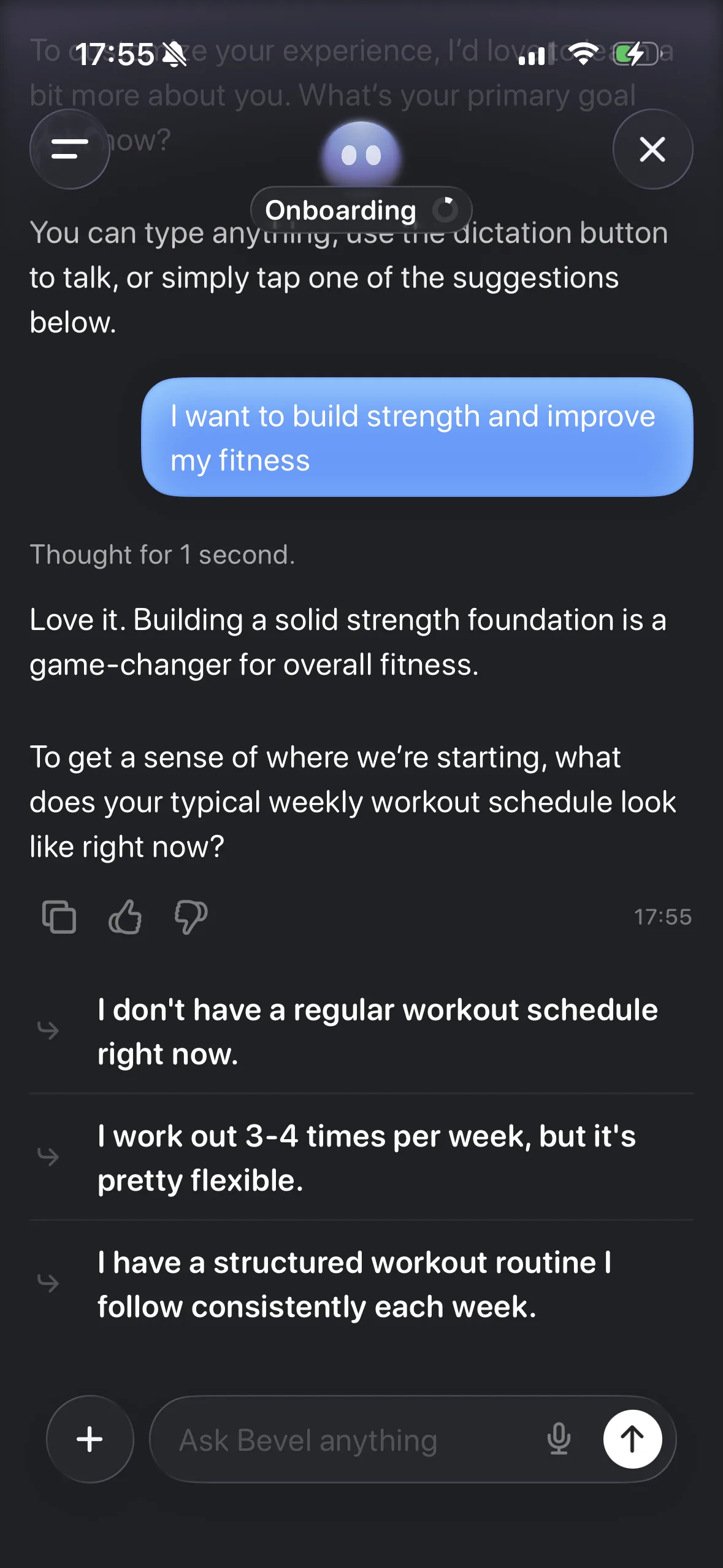
We began by mapping the user journey and the boundaries of the AI: what context it receives, what it may return, and where deterministic application logic must stay in control. We then built Measure, Recover, and Train as small end-to-end slices, connecting the interface to the data and model layers early so the team could test real responses instead of static mock-ups. Prompt, validation, and fallback behaviour were refined alongside the product UI. The main implementation used React Native, Expo SDK 54, Expo Router, and TypeScript, with typed contracts keeping the JavaScript stack consistent across the product.
03
Delivery
The delivered scope brought Measure, Recover, Train, and Fuel into one coherent cross-platform mobile release. Model output, product logic, and user feedback are separated clearly, which makes the AI easier to evaluate and evolve. For Bevel, the practical result is a product that communicates its value quickly while giving the team a maintainable base for continued delivery in health & wellness.